Deciding When to Bring Your Home to MarketMake an Informed Decision
Deciding to sell your home is one thing, but knowing when to bring it to the market is another. While there's no one-size-fits-all answer to the best time to sell a house, considering a few key factors can help you make a more informed decision about when to list.
The Housing Market Factors That Influence Your Sale
Considering both past housing market trends and today's conditions helps you understand how the market is shifting, how that could affect your sale, and when to list to better support your selling goals.
Looking Back at Recent Market Activity
Before deciding when to put your home on the market, review housing market trends over the past 3-6 months to help answer the question, “Is this a good time to sell a house?” Changes in prices, buyer demand and sales activity can show how the market has been moving and help you weigh whether selling now or waiting for more favourable conditions makes sense.
Home Price Movements
Check what similar homes in your neighbourhood have actually sold for over the recent months. Compare their sale prices to see whether property values are rising, falling or holding steady. The direction of prices can influence what you might expect to get for your home when you put it on the market.
Changes in Home Sales
Pay close attention to how many properties have sold in recent months and whether sales are picking up or slowing down. Rising home sales may signal stronger buyer demand, making it a good time to sell a house. If fewer homes are selling, watch how buyer activity changes before listing your house for sale.
Selling Timelines and Patterns
Review how long similar homes in your neighbourhood took to sell and how their final sale prices compared with their original asking prices. This comparison helps you gauge how readily buyers were willing to purchase and what sellers had to adjust to secure a sale, giving you useful context for your property.
Assessing Current Market Conditions
Current market conditions can influence the interest your home attracts and the offers you receive. Buyer affordability, housing supply and competition from similar properties can shape how buyers approach their search. Understanding these factors helps you assess where your home stands in the market and what you may need to focus on to attract serious buyers.
Available Homes Nearby
Check how many similar homes are currently for sale in your neighbourhood, particularly those in your price range and with a similar size and layout. When buyers have plenty of comparable properties to choose from, your listing may face more competition, making it harder to stand out. With fewer similar listings, it may be easier for your home to attract buyers looking for a property like yours.
Buyer Activity Levels
Recent sales, the sales-to-new-listings ratio and months of inventory show how actively buyers are purchasing homes and if the market favours buyers or sellers. Strong demand may bring more interest in your listing, while slower demand can mean fewer offers and longer selling times. These insights help you understand market conditions and decide whether listing now aligns with your selling goals.
Economic Market Factors
Mortgage rates, inflation and employment conditions can shape your selling plans. When rates rise and everyday expenses climb, buyers may feel less comfortable taking on a mortgage. In contrast, steadier employment and manageable monthly payments give them confidence to move ahead. Understanding these shifts helps you gauge demand and decide whether the current market aligns with your plans to sell.
Plan Your Sale With Your Financesand Next Move in Mind
The Right Time Is Personal
Before deciding when to list, consider whether you're financially prepared for the sale and how its timing fits with your plans for your next home. These decisions go hand in hand and can influence when you're ready to make a move.
01
Step 01
Mortgage Balance and Home Sale Expenses
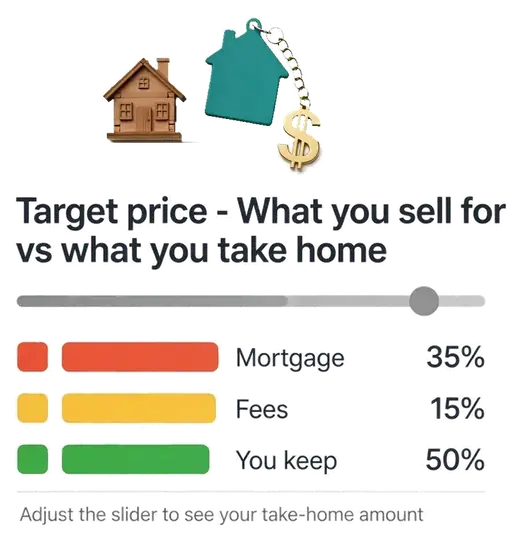
Check how much you still owe on your mortgage and what it will cost to sell your home. If your mortgage term hasn't ended, selling early could mean paying a prepayment penalty, which can cost thousands of dollars. You'll also need to account for selling costs such as real estate commission, legal fees and mortgage discharge fees. These expenses affect how much money you'll have left after the sale. Knowing what you'll walk away with helps you decide whether selling now makes sense or waiting until your mortgage term ends could leave you with more money for your next move.
Mortgage balance
Prepayment penalty
Selling costs
Money left after the sale
02
Step 02
Financial Readiness for Your Next Home
Your finances can influence when you're ready to buy your next home. Check if you have enough savings for the down payment, closing costs, and emergencies. Get a mortgage pre-approval to understand how much you can borrow based on your income, job stability and debts. Factor in ongoing costs such as property taxes, insurance and maintenance. If you're upgrading, ensure the higher purchase price and monthly payments fit your budget. If you need more time to save or qualify for a larger mortgage, delaying your listing could put you in a better position to buy your next home.
Down payment
Mortgage pre-approval
Closing costs
Ongoing costs
03
Step 03
Your Timeline for Buying the Next Home
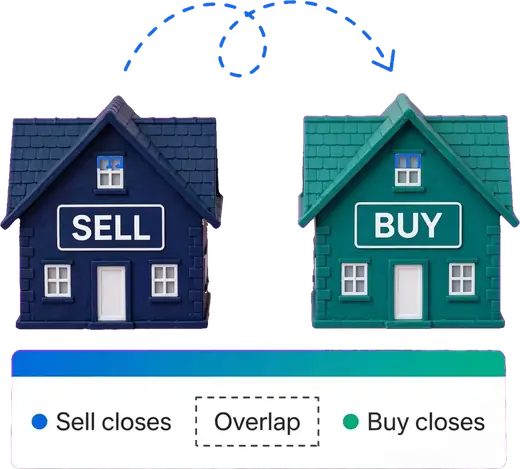
If your current home sells before you find your next one, you may need temporary accommodation until you're ready to move into another property. To avoid this, you could find a home that suits your needs and budget before listing your current one. However, finding the right property can take time, which may delay your sale and affect your moving plans. Therefore, think about how soon you need to move and whether you can wait until you've found your next home before listing. This will help you choose a listing date that works with your plans for buying your next home and moving into it.
Sell first
Buy first
Temporary accommodation
Moving plans
04
Step 04
Time Needed to Prepare Your Home for Sale
As you decide the best time to sell your house, identify any repairs or improvements you want to complete before buyers view the property. Consider how long the work will take and whether the cost is worthwhile. If important repairs could take several weeks, you may need to delay listing. But if your home is in good condition and needs only minor touch-ups, you may be able to list sooner. You don't need to fix everything; focus on what needs attention and what you're comfortable leaving as it is. This will help you choose a realistic listing date without delaying your sale unnecessarily.
Repairs
Improvements
Minor touch-ups
Realistic listing date
05
Step 05
Personal Commitments That Affect Your Sale
Think about upcoming life changes that could influence when you need to sell your home and move out. For instance, if you're starting a new job in another city, you may need to sell and move by a specific date. If your children are changing schools, you might prefer to move during the summer break. Consider your deadlines, how flexible your plans are and how much time you'll need to sell and move. If your plans are fairly flexible, you may have more choice over your listing date. If you have a firm deadline, you may need to list earlier to allow enough time for the sale to progress smoothly.
New job
School changes
Flexible plans
Firm deadlines
Seasonal Trends Can Offer AnotherPerspective on When to List
Different Seasons, Different Possibilities
Seasonality shouldn't dictate when to sell your home, but it shouldn't be overlooked either. Understanding how buyer activity, competing listings and the appeal of your home can change throughout the year gives you another useful perspective on when to list.
Spring
Buyer Activity
Spring: Spring is traditionally a busy time in the Ontario housing market, as warmer weather and longer days encourage more buyers to begin house hunting. With a surge of buyers out viewing properties, you may have more opportunities to reach more potential homeowners. However, activity varies by neighbourhood and property type, so look at recent local sales to understand demand for homes.
Summer: Early summer can still bring buyers into the market, especially in June and early July. As summer progresses, though, vacations and summer plans may keep the housing market relatively quiet compared to the busy spring season. Check recent sales of similar homes to see when homes like yours are attracting buyers, then weigh that demand against your own moving plans when choosing a listing date.
Fall: Fall can bring renewed interest from buyers looking to move before winter, particularly in September and October. However, as colder weather and holidays approach, some buyers may put their homebuying process on hold. Keep in mind that since activity varies by neighbourhood and property type, check local sales to understand whether buyers are actively looking for homes like yours.
Winter: House hunting usually takes a back seat in the winter season, as snow and icy roads can make viewing homes less convenient. The holiday season can further slow market activity. That said, winter doesn't mean the search for homes comes to a complete stop. Some buyers may still be active in the market because a job change or family circumstances make finding a new home a priority.
Home Readiness
Spring: Spring can show your home at its best, with green lawns, blooming gardens and inviting outdoor spaces. Make the most of it by tidying the yard, trimming overgrown plants and clearing away winter debris. Check for damage left by snow or rain, and clean windows to let in more natural light. These small touches can make the home look well-kept and appealing in photos and showings.
Summer: Summer gives buyers a chance to picture themselves enjoying your outdoor spaces, so get these areas ready to show. Clean the deck or patio, arrange outdoor furniture and keep the lawn neat. Check that fences, walkways and garden features are in good condition. Since buyers may spend more time exploring your yard during summer showings, a cared-for yard can leave a stronger impression.
Fall: Fall brings colourful leaves and cooler weather, but rain and falling leaves can leave your yard looking untidy. Rake the leaves, trim overgrown plants and clear walkways to keep your outdoor spaces looking neat. With shorter days and less natural light, clean your windows and make sure your entrance is well lit. These small touches can help your property look warm and welcoming.
Winter: Snow and ice can obscure your home's exterior, while shorter days leave less natural light to showcase its interior. To keep your property looking its best, clear snow from the driveway and walkways, remove ice near the entrance and ensure outdoor lights are working. Inside, open curtains and brighten darker rooms to make the most of available daylight before a property showing.
Pricing Trends
Spring: Spring can bring more buyers into the market, but it also brings more homes for them to choose from. How these two factors balance out can influence what buyers are willing to pay. If you're deciding when to list, look at recent sale prices of similar homes in your area and how many competing properties are available to understand what listing in spring could mean for your sale.
Summer: Summer may carry some of spring's momentum, but as buyer activity slows later in summer, selling conditions can change. With fewer buyers looking and more homes competing for attention, you may need to be more flexible on price. If you're deciding when to list, compare recent sale prices and competing homes to understand whether listing earlier in summer could work in your favour.
Fall: Changes in buyer activity and available homes during the fall season can influence what buyers pay. With fewer buyers searching, homeowners may face price pressure, but fewer competing listings could also work in your favour. If you're deciding when to list, compare recent sale prices of similar homes and current listings to understand how demand and competition could affect your sale.
Winter: Home prices generally experience less upward pressure during winter as buyer activity slows. With fewer buyers competing for homes, sellers may have less room to negotiate higher prices and may need to adjust their asking prices to attract buyers. The extent of any price change depends on local market conditions, including the number of homes available for sale and buyer demand.
Listing Timing
Spring: If you're planning to sell in spring, start preparing in late winter to avoid rushing through repairs, cleaning and staging. Allow at least eight weeks, or longer if your home needs updates. Listing in March or early April may help you reach buyers before more homes enter the market, while waiting until May or June gives your lawn and garden more time to bloom and look their best.
Summer: Listing in June or early July may help you reach families hoping to move before the new school year. Mid to late summer can also work if buyer demand remains strong in your area, so check recent home sales before choosing your listing date. Start preparing at least eight weeks ahead to allow time for repairs, cleaning and staging, giving you enough time to present your home at its best.
Fall: Fall can be a good time to list if you want to reach buyers hoping to move before winter. September and early October may offer that opportunity, but activity varies by area. Before choosing a date, check recent sales and similar homes available for sale to see whether demand supports listing earlier or later in fall. Start preparing at least eight weeks ahead of listing the home.
Winter: Selling in early winter may mean less competition from other listings, though holiday plans can keep buyers busy. By late winter, buyers may become more active as they prepare for spring, but more homes may also enter the market. If you're planning to list in the early winter season, start preparing in September or October. For a late winter listing, begin in December or January.
Getting Your Home Readyfor the Market
Ahead of the For-Sale Sign
Before your home goes on the market, there's plenty to take care of behind the scenes. From addressing repairs to preparing your home for photographs, tackling each task at the right time helps you stay organised and avoid a last-minute rush.
12–8 Weeks Before Listing
Plan the Sale
Start by deciding when you'd ideally like to sell and discussing with a Realtor about your home's value and the local market trends. This is also the time to review your finances, understand your selling costs and identify any repairs your home may need.
8–6 Weeks Before Listing
Tackle Repairs
Use these weeks to take care of repairs that have been sitting on your to-do list. Fix visible issues, sort out essential maintenance and arrange contractors for larger jobs, giving yourself enough time to get everything in order before listing your home.
4–3 Weeks Before Listing
Clear and Clean
Once the repairs are underway or complete, clear out excess furniture and personal belongings to make each room feel spacious. Deep-clean the kitchen, bathrooms, floors and windows, and tidy the exteriors so buyers can appreciate your home's best features.
2–1 Weeks Before Listing
Prepare to List
Work with your Realtor to determine your home's asking price, prepare the property description and plan how to market the listing. Arrange professional photography and review the listing details to make sure your home's features are clearly highlighted.
Listing Week
Finish the Prep
Take care of any final touch-ups and make sure your home is clean, bright and ready to welcome visitors. Keep the entrance clear, put away everyday clutter and confirm showing arrangements so buyers can view your home without unnecessary distractions.
Frequently AskedQuestions
Timing Your Listing
01Is spring the best time to sell a house?
Spring has traditionally been a popular time to sell a home, as more buyers tend to start looking after winter. To decide if spring is the right time for your listing, check how many buyers are active in your neighbourhood, how many similar homes you'd be competing with, and whether your home is ready to list.
02What is the worst month to sell a house?
December and January are often regarded as the hardest months to sell a house, as holiday plans and winter weather can slow buyer activity. However, that doesn't mean winter is always the worst time to sell. In fact, with fewer homes competing for attention, your property may stand out to buyers who have a genuine need to move.
03Should I sell my house now or wait?
Deciding whether to sell now or wait depends on your local housing market and personal circumstances. If buyer demand is strong and your finances and moving plans are in place, selling now makes sense. If prices are under pressure or you need time to prepare, waiting may be worth considering.
04When should you start preparing to sell your home?
Give yourself 8-12 weeks to prepare before listing your home for sale. You may need time to sort through years of belongings, fix things around the house, or make a few updates before putting it on the market. Starting early gives you room to work through these tasks without feeling rushed.
05Which is the best day of the week to sell a house?
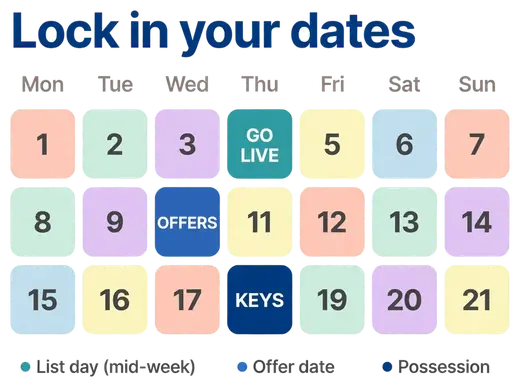
Tuesday through Thursday are often recommended for listing a home, as this gives buyers time to discover the property and arrange viewings for the weekend. However, the ideal day can vary depending on your local housing market. Pay attention to buyer activity in your area rather than following a fixed rule.
06Should you buy or sell a home first?
Selling first gives you a clearer idea of your budget for the next home, but you may need temporary accommodation. Buying first gives you more time to find the right property, but you'll need to manage the cost of both homes if the timelines overlap. Consider your finances and moving plans before deciding between both.
Let's Work Out a Timelinefor Your Home Sale
Are you still weighing your options and wondering when to put your home on the market? I can help you look at your home's position in the market, understand the financial implications of selling, and consider how your moving plans fit into the picture. Together, we can build a plan around your priorities and determine a timeline that works for you. Let's talk.

 Let's Chat